¡Este es un mapa interactivo! Use los controles para recorrerlo y hacer zoom.
Acceso
|
English (Traducir este texto en Español): This wreck is located at the south point of Sha'b Mahmud barrier reef, 7 miles W from Ras Mohammed.
English (Traducir este texto en Español): This wreck is located at the south point of Sha'b Mahmud barrier reef, 7 miles W from Ras Mohammed.
This wreck is located at the south point of Sha'b Mahmud barrier reef, 7 miles W from Ras Mohammed.
English (Traducir este texto en Español): This wreck is located at the south point of Sha'b Mahmud barrier reef, 7 miles W from Ras Mohammed.
English (Traducir este texto en Español): This wreck is located at the south point of Sha'b Mahmud barrier reef, 7 miles W from Ras Mohammed.
English (Traducir este texto en Español): This wreck is located at the south point of Sha'b Mahmud barrier reef, 7 miles W from Ras Mohammed.
English (Traducir este texto en Español): This wreck is located at the south point of Sha'b Mahmud barrier reef, 7 miles W from Ras Mohammed.
English (Traducir este texto en Español): This wreck is located at the south point of Sha'b Mahmud barrier reef, 7 miles W from Ras Mohammed.
English (Traducir este texto en Español): This wreck is located at the south point of Sha'b Mahmud barrier reef, 7 miles W from Ras Mohammed.
¿Como? En barco
Distancia Largo trayecto de barco (> 30min)
¿Fácil de encontrar? Fácil de encontrar
|
|
Características del sitio de buceo
Nombre alternativo Don Raven
Profundidad media 20.0 m / 65.6 ft
Profundidad máxima 28.0 m / 91.9 ft
Corriente Débil ( < 1 nudo)
Visibilidad Buena ( 10 - 30 m)
Calidad
Calidad del sitio Bueno
Experiencia CMAS ** / AOW
Bio interés Interesante
Más detalles
Multitud entre semana
Multitud en fin/semana
Tipo de buceo
- Pecios
- Arrecife
Actividades del sitio de buceo
- Biologia marina
- Fotografía
Peligros
- Corriente
Información adicional
English (Traducir este texto en Español): The "Dunraven" was a steam and sail powered vessel with an iron hull and wooden decks. She was built in Newcastle upon Tyne (England) and launched in 1873. The ship was 80 m long, had a beam of 10 m and displaced 1.613 tons. She had two masts with a topsail-schooner rigging and a coal-fired 140 hp steam machine. The "Dunraven" travelled between India and Great Britain. On her last journey from Mumbai to Liverpool she carried a cargo of cotton, spices and timber. During the night of 24 April 1876 she lost her course through the strait of Gubal and crashed into the Horse Shoe Reef at Sha'ab Mahmud. The crew tried to save the ship but was forced to abandon it when the water reached the machine room. The "Dunraven" capsized and sank around 17:00. There where no casualties among the crew.
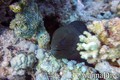
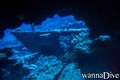
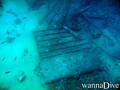
The wreck was discovered in 1977. The "Dunraven" lies with her upside down diagonal to the reef. Her bow (very sharp, impressive) at 18m is the shallowest part, the stern is at a depth of 28m. The hull has partially collapsed and there are some big cracks and holes especially on the starboard side, but the stern is fairly intact, probably because his structure is supported by the two big boilers. The rudder and the screw with its long blades - the latter covered with soft corals - are an impressive sight. The wreck is densely covered with stone coral, the deeper, more shadowed parts carry beautiful soft corals. Among the fish that can be seen at or in the wreck are morays and crocodile fish.
A good route to dive the "Dunraven" starts at the bow. Follow the keel to the rudder and screw and go down to the ground, around the stern. Close to it on the starboard side is a big crack that allows it to dive into the hull. There is enough light coming through the holes, but it's useful to carry a lamp to explore the debris on the ground and the remains of the machinery. The inner compartments have disintegrated long ago, so the inside looks very much like a cave. The exit goes over the two boilers through a second big hole.
You should use your remaining air to explore the shallow area of the reef. Its corals are beautiful and it's possible to see morays - some of them very big -, barracudas, napoleonfish and batfish.
English (Traducir este texto en Español): The "Dunraven" was a steam and sail powered vessel with an iron hull and wooden decks. She was built in Newcastle upon Tyne (England) and launched in 1873. The ship was 80 m long, had a beam of 10 m and displaced 1.613 tons. She had two masts with a topsail-schooner rigging and a coal-fired 140 hp steam machine. The "Dunraven" travelled between India and Great Britain. On her last journey from Mumbai to Liverpool she carried a cargo of cotton, spices and timber. During the night of 24 April 1876 she lost her course through the strait of Gubal and crashed into the Horse Shoe Reef at Sha'ab Mahmud. The crew tried to save the ship but was forced to abandon it when the water reached the machine room. The "Dunraven" capsized and sank around 17:00. There where no casualties among the crew.
The wreck was discovered in 1977. The "Dunraven" lies with her upside down diagonal to the reef. Her bow (very sharp, impressive) at 18m is the shallowest part, the stern is at a depth of 28m. The hull has partially collapsed and there are some big cracks and holes especially on the starboard side, but the stern is fairly intact, probably because his structure is supported by the two big boilers. The rudder and the screw with its long blades - the latter covered with soft corals - are an impressive sight. The wreck is densely covered with stone coral, the deeper, more shadowed parts carry beautiful soft corals. Among the fish that can be seen at or in the wreck are morays and crocodile fish.
A good route to dive the "Dunraven" starts at the bow. Follow the keel to the rudder and screw and go down to the ground, around the stern. Close to it on the starboard side is a big crack that allows it to dive into the hull. There is enough light coming through the holes, but it's useful to carry a lamp to explore the debris on the ground and the remains of the machinery. The inner compartments have disintegrated long ago, so the inside looks very much like a cave. The exit goes over the two boilers through a second big hole.
You should use your remaining air to explore the shallow area of the reef. Its corals are beautiful and it's possible to see morays - some of them very big -, barracudas, napoleonfish and batfish.
The "Dunraven" was a steam and sail powered vessel with an iron hull and wooden decks. She was built in Newcastle upon Tyne (England) and launched in 1873. The ship was 80 m long, had a beam of 10 m and displaced 1.613 tons. She had two masts with a topsail-schooner rigging and a coal-fired 140 hp steam machine. The "Dunraven" travelled between India and Great Britain. On her last journey from Mumbai to Liverpool she carried a cargo of cotton, spices and timber. During the night of 24 April 1876 she lost her course through the strait of Gubal and crashed into the Horse Shoe Reef at Sha'ab Mahmud. The crew tried to save the ship but was forced to abandon it when the water reached the machine room. The "Dunraven" capsized and sank around 17:00. There where no casualties among the crew.
The wreck was discovered in 1977. The "Dunraven" lies with her upside down diagonal to the reef. Her bow (very sharp, impressive) at 18m is the shallowest part, the stern is at a depth of 28m. The hull has partially collapsed and there are some big cracks and holes especially on the starboard side, but the stern is fairly intact, probably because his structure is supported by the two big boilers. The rudder and the screw with its long blades - the latter covered with soft corals - are an impressive sight. The wreck is densely covered with stone coral, the deeper, more shadowed parts carry beautiful soft corals. Among the fish that can be seen at or in the wreck are morays and crocodile fish.
A good route to dive the "Dunraven" starts at the bow. Follow the keel to the rudder and screw and go down to the ground, around the stern. Close to it on the starboard side is a big crack that allows it to dive into the hull. There is enough light coming through the holes, but it's useful to carry a lamp to explore the debris on the ground and the remains of the machinery. The inner compartments have disintegrated long ago, so the inside looks very much like a cave. The exit goes over the two boilers through a second big hole.
You should use your remaining air to explore the shallow area of the reef. Its corals are beautiful and it's possible to see morays - some of them very big -, barracudas, napoleonfish and batfish.
English (Traducir este texto en Español): The &quot;Dunraven&quot; was a steam and sail powered vessel with an iron hull and wooden decks. She was built in Newcastle upon Tyne (England) and launched in 1873. The ship was 80 m long, had a beam of 10 m and displaced 1.613 tons. She had two masts with a topsail-schooner rigging and a coal-fired 140 hp steam machine. The &quot;Dunraven&quot; travelled between India and Great Britain. On her last journey from Mumbai to Liverpool she carried a cargo of cotton, spices and timber. During the night of 24 April 1876 she lost her course through the strait of Gubal and crashed into the Horse Shoe Reef at Sha'ab Mahmud. The crew tried to save the ship but was forced to abandon it when the water reached the machine room. The &quot;Dunraven&quot; capsized and sank around 17:00. There where no casualties among the crew.
The wreck was discovered in 1977. The &quot;Dunraven&quot; lies with her upside down diagonal to the reef. Her bow (very sharp, impressive) at 18m is the shallowest part, the stern is at a depth of 28m. The hull has partially collapsed and there are some big cracks and holes especially on the starboard side, but the stern is fairly intact, probably because his structure is supported by the two big boilers. The rudder and the screw with its long blades - the latter covered with soft corals - are an impressive sight. The wreck is densely covered with stone coral, the deeper, more shadowed parts carry beautiful soft corals. Among the fish that can be seen at or in the wreck are morays and crocodile fish.
A good route to dive the &quot;Dunraven&quot; starts at the bow. Follow the keel to the rudder and screw and go down to the ground, around the stern. Close to it on the starboard side is a big crack that allows it to dive into the hull. There is enough light coming through the holes, but it's useful to carry a lamp to explore the debris on the ground and the remains of the machinery. The inner compartments have disintegrated long ago, so the inside looks very much like a cave. The exit goes over the two boilers through a second big hole.
You should use your remaining air to explore the shallow area of the reef. Its corals are beautiful and it's possible to see morays - some of them very big -, barracudas, napoleonfish and batfish.
English (Traducir este texto en Español): The &amp;quot;Dunraven&amp;quot; was a steam and sail powered vessel with an iron hull and wooden decks. She was built in Newcastle upon Tyne (England) and launched in 1873. The ship was 80 m long, had a beam of 10 m and displaced 1.613 tons. She had two masts with a topsail-schooner rigging and a coal-fired 140 hp steam machine. The &amp;quot;Dunraven&amp;quot; travelled between India and Great Britain. On her last journey from Mumbai to Liverpool she carried a cargo of cotton, spices and timber. During the night of 24 April 1876 she lost her course through the strait of Gubal and crashed into the Horse Shoe Reef at Sha'ab Mahmud. The crew tried to save the ship but was forced to abandon it when the water reached the machine room. The &amp;quot;Dunraven&amp;quot; capsized and sank around 17:00. There where no casualties among the crew.
The wreck was discovered in 1977. The &amp;quot;Dunraven&amp;quot; lies with her upside down diagonal to the reef. Her bow (very sharp, impressive) at 18m is the shallowest part, the stern is at a depth of 28m. The hull has partially collapsed and there are some big cracks and holes especially on the starboard side, but the stern is fairly intact, probably because his structure is supported by the two big boilers. The rudder and the screw with its long blades - the latter covered with soft corals - are an impressive sight. The wreck is densely covered with stone coral, the deeper, more shadowed parts carry beautiful soft corals. Among the fish that can be seen at or in the wreck are morays and crocodile fish.
A good route to dive the &amp;quot;Dunraven&amp;quot; starts at the bow. Follow the keel to the rudder and screw and go down to the ground, around the stern. Close to it on the starboard side is a big crack that allows it to dive into the hull. There is enough light coming through the holes, but it's useful to carry a lamp to explore the debris on the ground and the remains of the machinery. The inner compartments have disintegrated long ago, so the inside looks very much like a cave. The exit goes over the two boilers through a second big hole.
You should use your remaining air to explore the shallow area of the reef. Its corals are beautiful and it's possible to see morays - some of them very big -, barracudas, napoleonfish and batfish.
English (Traducir este texto en Español): The &amp;amp;quot;Dunraven&amp;amp;quot; was a steam and sail powered vessel with an iron hull and wooden decks. She was built in Newcastle upon Tyne (England) and launched in 1873. The ship was 80 m long, had a beam of 10 m and displaced 1.613 tons. She had two masts with a topsail-schooner rigging and a coal-fired 140 hp steam machine. The &amp;amp;quot;Dunraven&amp;amp;quot; travelled between India and Great Britain. On her last journey from Mumbai to Liverpool she carried a cargo of cotton, spices and timber. During the night of 24 April 1876 she lost her course through the strait of Gubal and crashed into the Horse Shoe Reef at Sha'ab Mahmud. The crew tried to save the ship but was forced to abandon it when the water reached the machine room. The &amp;amp;quot;Dunraven&amp;amp;quot; capsized and sank around 17:00. There where no casualties among the crew.
The wreck was discovered in 1977. The &amp;amp;quot;Dunraven&amp;amp;quot; lies with her upside down diagonal to the reef. Her bow (very sharp, impressive) at 18m is the shallowest part, the stern is at a depth of 28m. The hull has partially collapsed and there are some big cracks and holes especially on the starboard side, but the stern is fairly intact, probably because his structure is supported by the two big boilers. The rudder and the screw with its long blades - the latter covered with soft corals - are an impressive sight. The wreck is densely covered with stone coral, the deeper, more shadowed parts carry beautiful soft corals. Among the fish that can be seen at or in the wreck are morays and crocodile fish.
A good route to dive the &amp;amp;quot;Dunraven&amp;amp;quot; starts at the bow. Follow the keel to the rudder and screw and go down to the ground, around the stern. Close to it on the starboard side is a big crack that allows it to dive into the hull. There is enough light coming through the holes, but it's useful to carry a lamp to explore the debris on the ground and the remains of the machinery. The inner compartments have disintegrated long ago, so the inside looks very much like a cave. The exit goes over the two boilers through a second big hole.
You should use your remaining air to explore the shallow area of the reef. Its corals are beautiful and it's possible to see morays - some of them very big -, barracudas, napoleonfish and batfish.
English (Traducir este texto en Español): The &amp;amp;amp;quot;Dunraven&amp;amp;amp;quot; was a steam and sail powered vessel with an iron hull and wooden decks. She was built in Newcastle upon Tyne (England) and launched in 1873. The ship was 80 m long, had a beam of 10 m and displaced 1.613 tons. She had two masts with a topsail-schooner rigging and a coal-fired 140 hp steam machine. The &amp;amp;amp;quot;Dunraven&amp;amp;amp;quot; travelled between India and Great Britain. On her last journey from Mumbai to Liverpool she carried a cargo of cotton, spices and timber. During the night of 24 April 1876 she lost her course through the strait of Gubal and crashed into the Horse Shoe Reef at Sha'ab Mahmud. The crew tried to save the ship but was forced to abandon it when the water reached the machine room. The &amp;amp;amp;quot;Dunraven&amp;amp;amp;quot; capsized and sank around 17:00. There where no casualties among the crew.
The wreck was discovered in 1977. The &amp;amp;amp;quot;Dunraven&amp;amp;amp;quot; lies with her upside down diagonal to the reef. Her bow (very sharp, impressive) at 18m is the shallowest part, the stern is at a depth of 28m. The hull has partially collapsed and there are some big cracks and holes especially on the starboard side, but the stern is fairly intact, probably because his structure is supported by the two big boilers. The rudder and the screw with its long blades - the latter covered with soft corals - are an impressive sight. The wreck is densely covered with stone coral, the deeper, more shadowed parts carry beautiful soft corals. Among the fish that can be seen at or in the wreck are morays and crocodile fish.
A good route to dive the &amp;amp;amp;quot;Dunraven&amp;amp;amp;quot; starts at the bow. Follow the keel to the rudder and screw and go down to the ground, around the stern. Close to it on the starboard side is a big crack that allows it to dive into the hull. There is enough light coming through the holes, but it's useful to carry a lamp to explore the debris on the ground and the remains of the machinery. The inner compartments have disintegrated long ago, so the inside looks very much like a cave. The exit goes over the two boilers through a second big hole.
You should use your remaining air to explore the shallow area of the reef. Its corals are beautiful and it's possible to see morays - some of them very big -, barracudas, napoleonfish and batfish.
English (Traducir este texto en Español): The &amp;amp;amp;amp;quot;Dunraven&amp;amp;amp;amp;quot; was a steam and sail powered vessel with an iron hull and wooden decks. She was built in Newcastle upon Tyne (England) and launched in 1873. The ship was 80 m long, had a beam of 10 m and displaced 1.613 tons. She had two masts with a topsail-schooner rigging and a coal-fired 140 hp steam machine. The &amp;amp;amp;amp;quot;Dunraven&amp;amp;amp;amp;quot; travelled between India and Great Britain. On her last journey from Mumbai to Liverpool she carried a cargo of cotton, spices and timber. During the night of 24 April 1876 she lost her course through the strait of Gubal and crashed into the Horse Shoe Reef at Sha'ab Mahmud. The crew tried to save the ship but was forced to abandon it when the water reached the machine room. The &amp;amp;amp;amp;quot;Dunraven&amp;amp;amp;amp;quot; capsized and sank around 17:00. There where no casualties among the crew.
The wreck was discovered in 1977. The &amp;amp;amp;amp;quot;Dunraven&amp;amp;amp;amp;quot; lies with her upside down diagonal to the reef. Her bow (very sharp, impressive) at 18m is the shallowest part, the stern is at a depth of 28m. The hull has partially collapsed and there are some big cracks and holes especially on the starboard side, but the stern is fairly intact, probably because his structure is supported by the two big boilers. The rudder and the screw with its long blades - the latter covered with soft corals - are an impressive sight. The wreck is densely covered with stone coral, the deeper, more shadowed parts carry beautiful soft corals. Among the fish that can be seen at or in the wreck are morays and crocodile fish.
A good route to dive the &amp;amp;amp;amp;quot;Dunraven&amp;amp;amp;amp;quot; starts at the bow. Follow the keel to the rudder and screw and go down to the ground, around the stern. Close to it on the starboard side is a big crack that allows it to dive into the hull. There is enough light coming through the holes, but it's useful to carry a lamp to explore the debris on the ground and the remains of the machinery. The inner compartments have disintegrated long ago, so the inside looks very much like a cave. The exit goes over the two boilers through a second big hole.
You should use your remaining air to explore the shallow area of the reef. Its corals are beautiful and it's possible to see morays - some of them very big -, barracudas, napoleonfish and batfish.
English (Traducir este texto en Español): The &amp;amp;amp;amp;amp;quot;Dunraven&amp;amp;amp;amp;amp;quot; was a steam and sail powered vessel with an iron hull and wooden decks. She was built in Newcastle upon Tyne (England) and launched in 1873. The ship was 80 m long, had a beam of 10 m and displaced 1.613 tons. She had two masts with a topsail-schooner rigging and a coal-fired 140 hp steam machine. The &amp;amp;amp;amp;amp;quot;Dunraven&amp;amp;amp;amp;amp;quot; travelled between India and Great Britain. On her last journey from Mumbai to Liverpool she carried a cargo of cotton, spices and timber. During the night of 24 April 1876 she lost her course through the strait of Gubal and crashed into the Horse Shoe Reef at Sha'ab Mahmud. The crew tried to save the ship but was forced to abandon it when the water reached the machine room. The &amp;amp;amp;amp;amp;quot;Dunraven&amp;amp;amp;amp;amp;quot; capsized and sank around 17:00. There where no casualties among the crew.
The wreck was discovered in 1977. The &amp;amp;amp;amp;amp;quot;Dunraven&amp;amp;amp;amp;amp;quot; lies with her upside down diagonal to the reef. Her bow (very sharp, impressive) at 18m is the shallowest part, the stern is at a depth of 28m. The hull has partially collapsed and there are some big cracks and holes especially on the starboard side, but the stern is fairly intact, probably because his structure is supported by the two big boilers. The rudder and the screw with its long blades - the latter covered with soft corals - are an impressive sight. The wreck is densely covered with stone coral, the deeper, more shadowed parts carry beautiful soft corals. Among the fish that can be seen at or in the wreck are morays and crocodile fish.
A good route to dive the &amp;amp;amp;amp;amp;quot;Dunraven&amp;amp;amp;amp;amp;quot; starts at the bow. Follow the keel to the rudder and screw and go down to the ground, around the stern. Close to it on the starboard side is a big crack that allows it to dive into the hull. There is enough light coming through the holes, but it's useful to carry a lamp to explore the debris on the ground and the remains of the machinery. The inner compartments have disintegrated long ago, so the inside looks very much like a cave. The exit goes over the two boilers through a second big hole.
You should use your remaining air to explore the shallow area of the reef. Its corals are beautiful and it's possible to see morays - some of them very big -, barracudas, napoleonfish and batfish.
 Últimos viajes
Mostrar todo (4)...
|
Podróż: Egypt - Red Sea 2012, Liveaboard with Golden Dolphin II
Obok
Więcej... |
|
Podróż: Liveaboard APDM 2008
Obok
Liveaboard in Egypt from Sharm El Sheikh, aboard the Ocean Dream.
Więcej... |
|
Comentarios
Por favor regístrese para usar esta herramienta.
¿Aún no está registrado? Regístrese primero; ¡es gratis!
Mostrar todo (1)...
Errores, opiniones.
Puede editar esta página para corregir los errores y añadir nueva información. Si tiene otros comentarios sobre esta página, Envíe sus observaciones
 Español
 Català
 Deutsch
 English
 Français
 Italiano
 Nederlands
 Polski
 Português


 Dunraven